

Wednesday, October 7, 2026, 5:45–7:05 pm
Grand East Large and Foyer, Lower Concourse (Sheraton)
Chaired by 4S President Wen-Hua Kuo and Kean Birch.
Capitalism, geopolitics, and other global forces shape technoscience and its impacts. Nevertheless, we have agency to change the direction we’re heading and make our own technoscientific futures. This Presidential Plenary is a call to everyone in STS to find ways to intervene in policy, in politics, in communities, and in the world.
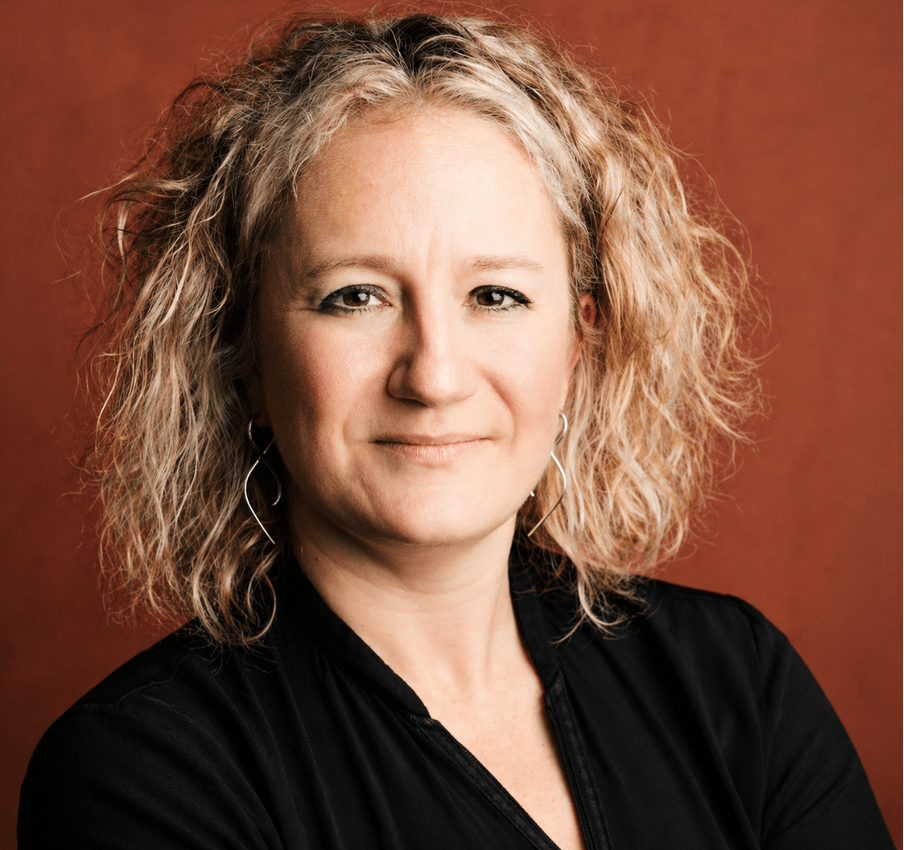 danah boyd is the Geri Gay Professor of Communication at Cornell University and the founder of Data & Society. Her research explores how the political economy of sociotechnical systems reconfigures social worlds. Her new book Data are Made, Not Found: A Story of Politics, Power, and the Civil Servants Who Saved the US Census is an ethnography of the US Census Bureau, Jenga politics, and the struggle to make democracy’s data. She is currently a fellow of AAAS, a 2026 Sloan Research Fellow, and a trustee of the Computer History Museum.
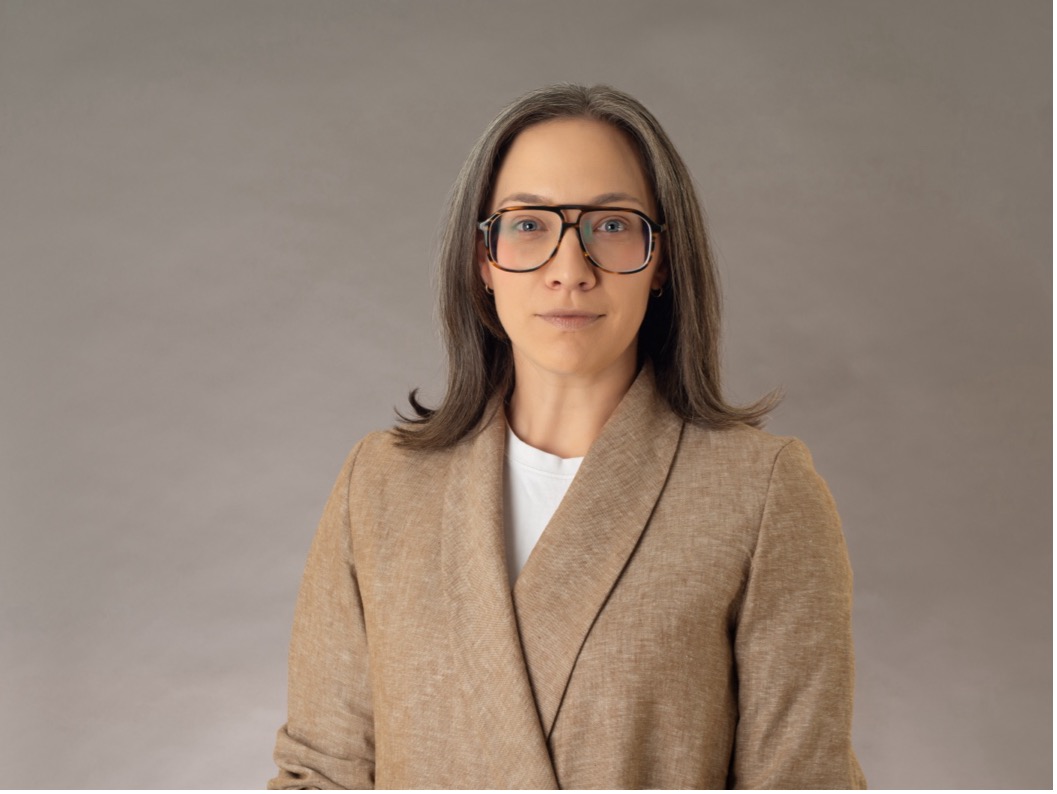 Vass Bednar is the Managing Director of the Canadian Shield Institute for Public Policy, a new think tank focussed on economic sovereignty issues and opportunities. She is the co-author of The Big Fix: How Companies Capture Markets and Harm Canadians, and writes for The Globe and Mail’s Report on Business and The Walrus.
Thursday, October 8, 2026, 5:45–7:20 PM
Grand Centre, Lower Concourse (Sheraton)
Speculative Plenary is sponsored by: Institute for Technoscience and Society, York University; Faculty of Information, University of Toronto; and Institute of Communication, Culture, Information and Technology, University of Toronto.
In this Speculative Plenary, participants explore the provocation of what the "Next 50 Years" look like for the association and the field of STS, particularly in light of TechnoPower.
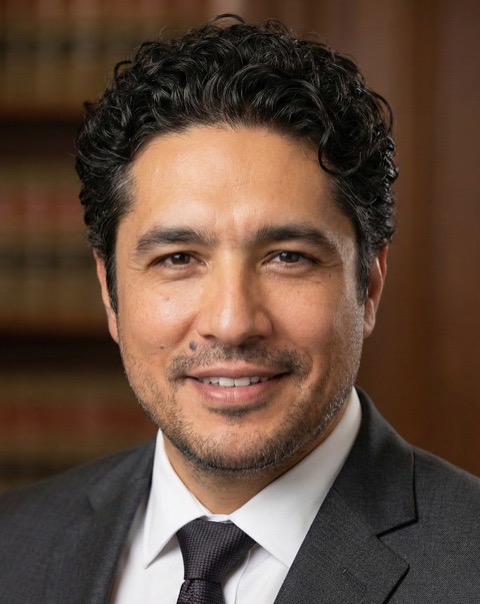 Yunus Doğan Telliel is an Assistant Professor of Anthropology and Rhetoric and the Director of the Great Problems Seminar Program at Worcester Polytechnic Institute. His forthcoming book, Languages of the Qur’an: Translation, Science, and Religion in Turkey (scheduled for November 2026), examines how young Turkish Muslims navigate questions of science and secularism through translation. He coedited three volumes: Science, Religion, and Secularity: The View from Relations; Science, Engineering, and Sustainable Development; and Spatial Justice and Refugees (in Turkish). His current research is an ethnography of generative AI in art, science, and religion. Most mainstream thinking about AI is comparative: to make sense of AI's capabilities, it presumes a single, coherent human identity as the object of comparison. The book he is writing traces how this comparative thinking has produced a new technological anthropology — one that defends a singular idea of “the human” as it erases differences among actual humans. He is also interested in what an alternative mode of thinking about AI, grounded in human plurality, might look like. In his design work, he collaborates with engineers to develop digital platforms, AI tools, robots, and VR simulators. His scholarship has been supported by the National Science Foundation, the Wenner-Gren Foundation, and the Public Interest Technology University Network. His work can be found at https://yunusdogantelliel.net/.
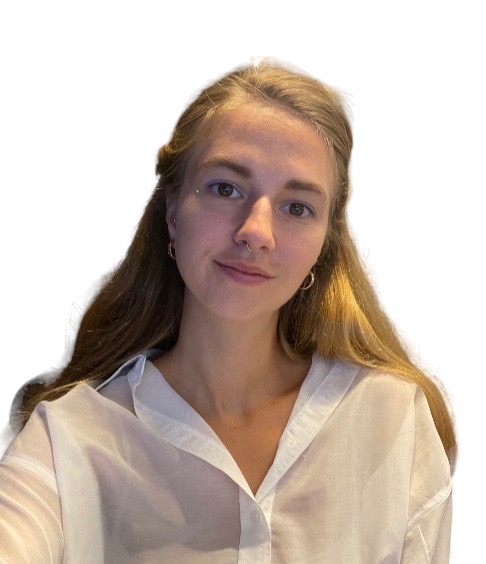 Elli Danae Vartziotis is a Ph.D. candidate in the Department of History and Philosophy of Science at the National and Kapodistrian University of Athens (NKUA). Her research draws on science and technology studies and the history of technology to examine how artificial intelligence is framed, evaluated, and mobilized in response to the environmental crisis. She is particularly interested in the sociotechnical assumptions embedded in portrayals of AI as an environmental solution and in the connections between environmental and existential-risk discourse. Vartziotis holds a B.Sc. in Chemical and Process Engineering from the Karlsruhe Institute of Technology, an M.Sc. in Civil and Environmental Engineering from the Massachusetts Institute of Technology, and an M.Sc. in Science, Technology, and Society from NKUA, completed with the highest distinction. She is a researcher at the NKUA Observatory for Research on Existential Threats and has contributed to the Erasmus+ projects Ethics4Challenges and Blooming AI. In 2026, she was a visiting scholar at the Rachel Carson Center for Environment and Society at LMU Munich. She has also been awarded a TPE Doctoral Fellowship at the Remarque Institute, New York University, for spring 2027.
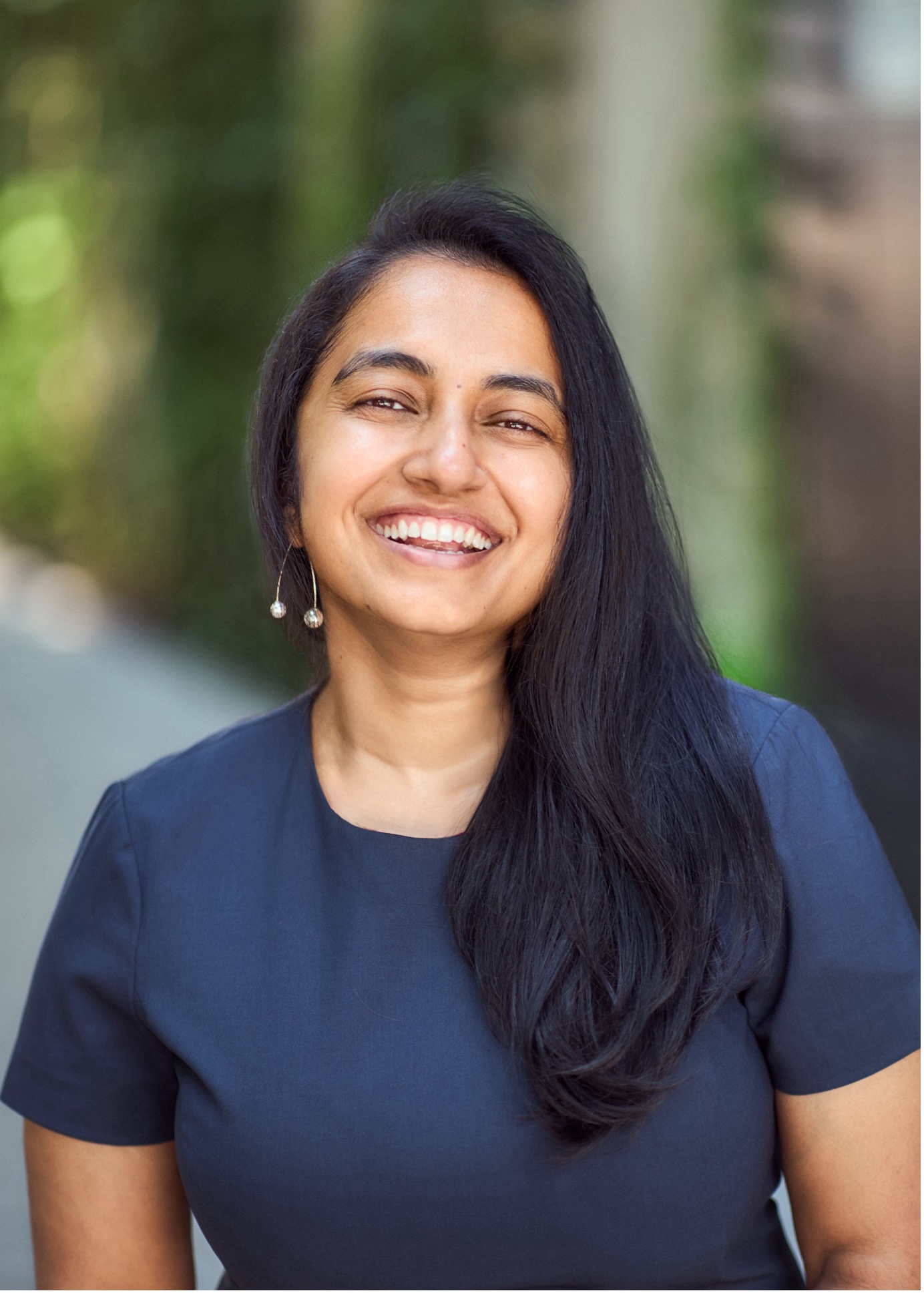 Kim Fernandes is a researcher, writer and educator. They are Assistant Professor of Anthropology at Brown University. They hold a joint PhD (with distinction) in Anthropology and Education from the University of Pennsylvania, and recently completed a postdoctoral fellowship at the University of Toronto's Faculty of Information. Kim's research lies at the intersections of disability, data and technology in the Majority World. They are currently writing a book that explores the co-constitution of the body and enumeration technologies through ethnographic attention to the process of disability identification. Their work has been generously supported by the Social Science Research Council, the Taraknath Das Foundation, and various intramural grants. Kim is the Managing Editor of Platypus, an interdisciplinary science and technology studies blog, and the organizer of the Encore speaker series for the Disability Research Interest Group. Kim is also an affiliate at Data & Society. Their work can be found at https://kimfernandes.com/.
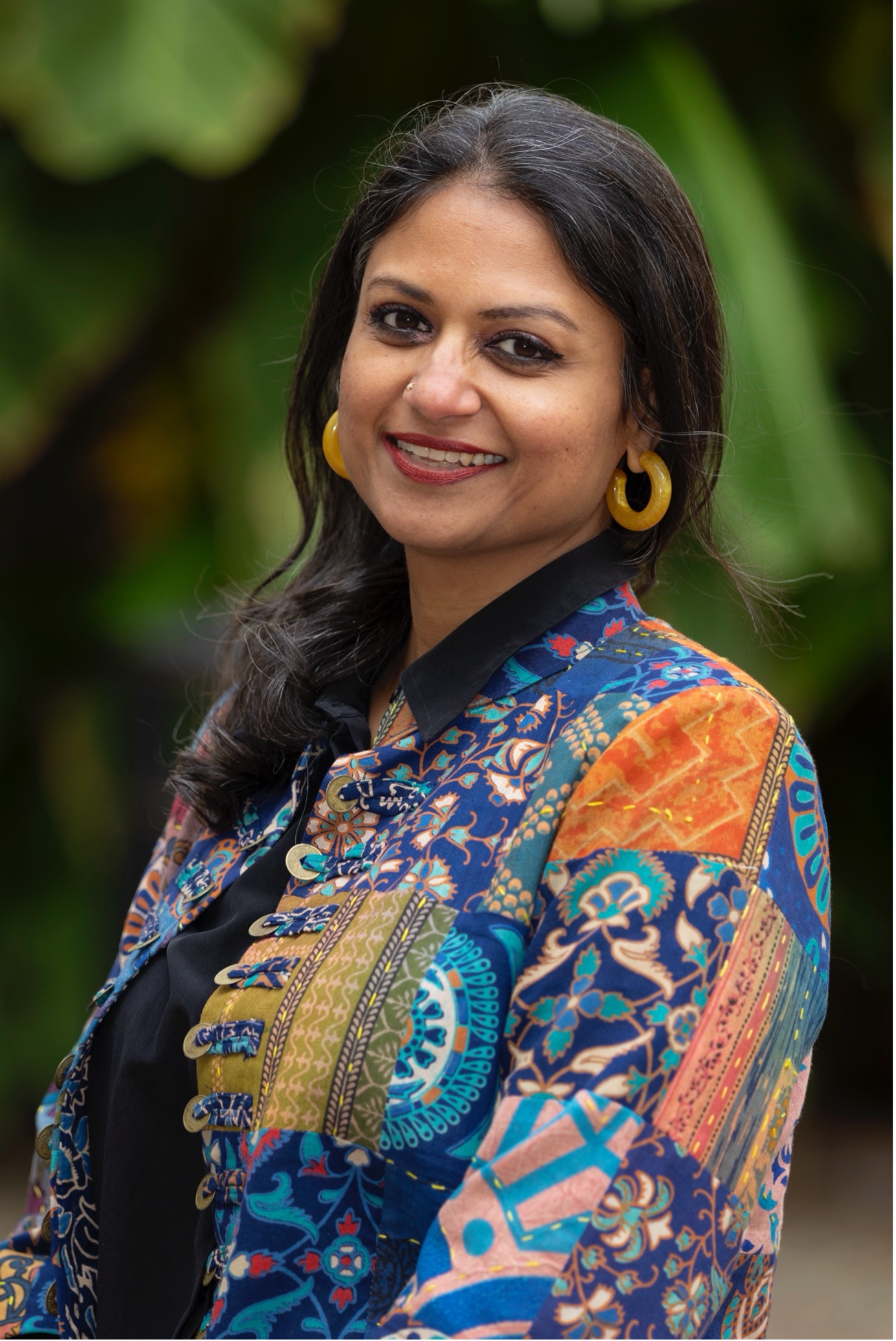 Maya Indira Ganesh is a media and cultural studies scholar and educator who builds on feminist and decolonial theories, digital humanities, and science and technology studies. Her interdisciplinary work is organised around methods to engage the knowledge practices, cultures, and contestations through which expert and marginalised publics inhabit the internet/digital. Recent collaborative projects like AI in the Street (2024), sociotechnical safety research supported by the UK AI Security Institute (2025-2026), AI in Cultural Heritage (2025-2026), and Digital Ojar (2026) adopt traditional qualitative and participatory methods like interactive public engagement, community conversations, lexica, and data walks that treat communities and institutions as co-producers of knowledge about AI. She is author of Auto-correct: The Fantasies and Failures of AI, Ethics, and the Driverless Car (ArtEZ Press, 2025) based on her Drphil in Cultural Studies. From 2021-2024, she was an Assistant Teaching Professor co-developing and co-directing Cambridge University’s first master’s program in AI Ethics & Society. She is an essayist and curatorial advisor on media arts, visual culture, and technology; and an active steering committee member of SCaN, the STS Cambridge Network. Prior to academia, Maya spent a decade working on digital security, gender justice, and online freedom of expression across the global majority.
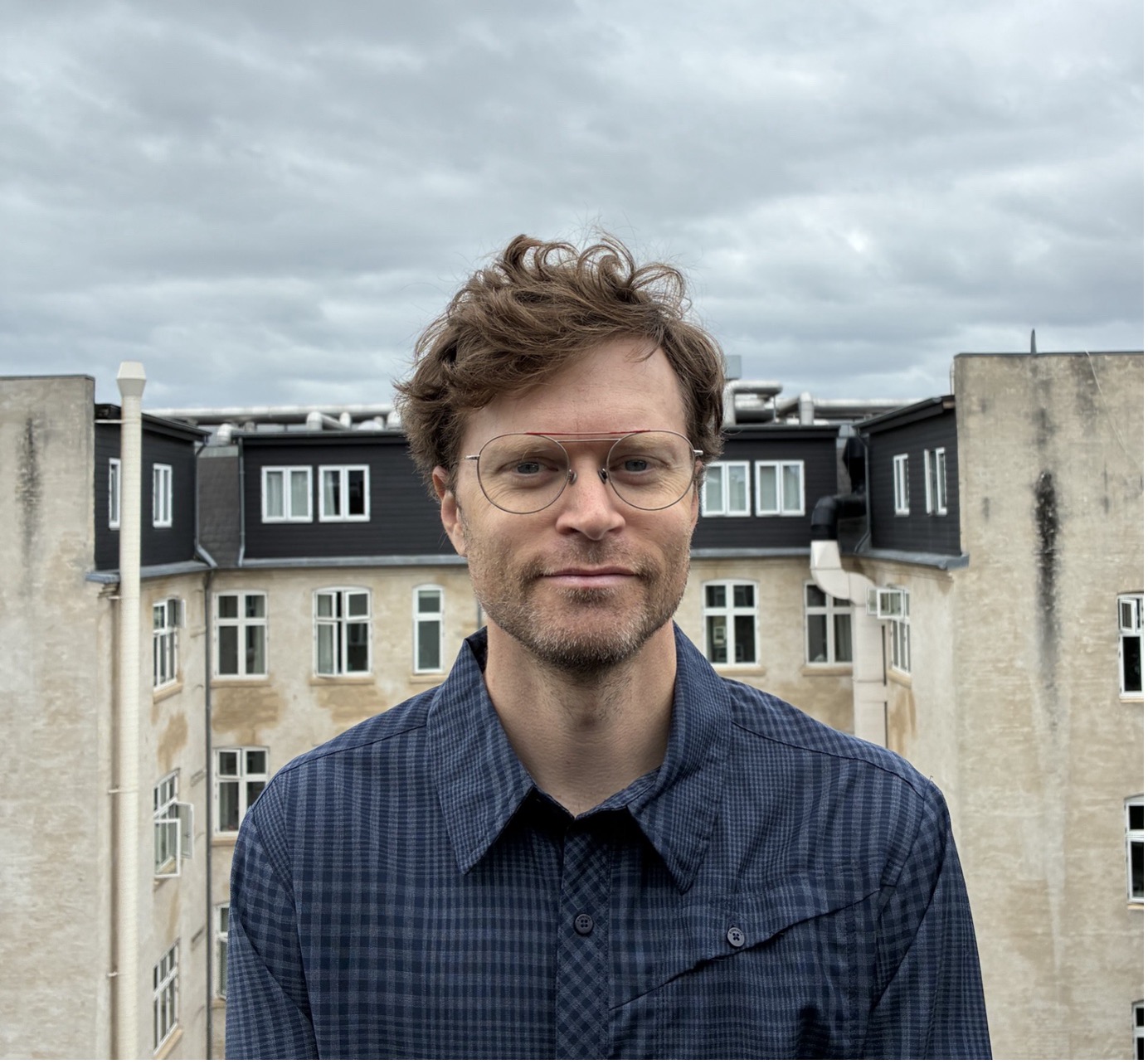 David Struthers (PhD, Carnegie Mellon University) is a historian and social scientist. He is the author of the award winning The World in a City: Multiethnic Radicalism in Early Twentieth-Century Los Angeles (University of Illinois Press, 2019), co-editor of Wobblies of the World: A Global History of the IWW (Pluto Press, 2017), co-author ofSpreading Rebellion: Spanish Maritime Radicalism in the Americas, 1875-1930 (AK Press, 2025), and has authored articles ranging from nationalism to environmental sustainability. He is currently a postdoc at the IT University Copenhagen in the NordForsk funded EnJustice project working with communities in Kalaallit Nunaat throughtransformative justice principles. This work has focused his research on the role of rare earths and other critical minerals in the link between the green transition, militarism, and colonialism.
Friday, October 9, 2026, 4:40–6:15 PM.
Grand Centre, Lower Concourse (Sheraton)
Chaired by 4S President Wen-Hua Kuo. With additional guests Steven Epstein, Ulrike Felt, Shobita Parthasarathy, Joan Fujimura, and Donna Haraway!
STS has spent fifty years taking things apart and putting them back together inside out. Let’s see what we can do with STS itself.
Karin Knorr Cetina:
"Chasing the World? Scaling down and out in Science and Technology Studies"
I distinguish between three distinctly marked stages of the history of STS. First, there was an epistemic stage focused on uncovering and exploring the internal machinery of knowledge production. Second, we saw an environmental turn, marked by expanding questions of impact, policy and communication. Third is a scaling-up stage in which new inquiries increasingly overlap with questions of knowledge management and innovation. My talk will ask about underlying dynamics of this movement, how various sociologies keep up with this development, and whether chasing the world has become more prominent if less feasible over time.
Karin Knorr Cetina is Distinguished Service Professor at the University of Chicago, among other affiliations. Knorr Cetina has published extensively in the areas of science and technology studies, the sociology of finance, and social theory. Her award-winning writings range from “Global Microstructures: The Virtual Societies of Financial Markets” (with Urs Bruegger) to Epistemic Cultures: How the Sciences Make Knowledge. She is currently finishing a book on the Forex market as a synthetic institution and is researching epistemic shifts in science and technology.
Lucy Suchman:
"STS pasts and futures in the 'thick now of the present moment'"
STS is an ongoing, increasingly heterogeneous, noncoherent, sometimes contentious and hopefully transformative collective. Generative concepts, arising from multiple,
intersecting genealogies, provide continually deepening and expanding resources for articulating the conditions, problems and possibilities of what Karen (River) Barad (2019), inspired by Walter Benjamin, has named the “thick now of the present moment.” Taken together our shared project is one of (sympathetically) critical engagement with the histories, politics, and consequences for worlding (otherwise) of technoscientific knowledge practices.
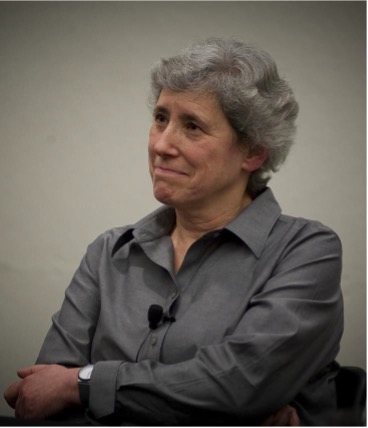 Lucy Suchman is Professor Emerita of the Anthropology of Science and Technology at Lancaster University in the UK. Before taking up that post she was a Principal Scientist at Xerox’s Palo Alto Research Center (PARC), where she spent twenty years as a researcher. Her current research extends her longstanding critical engagement with the fields of artificial intelligence to the domain of contemporary militarism; a full publication list can be found on her website. She served as President of 4S from 2016-2017.
Sharon Traweek:
"What is to be done? Embodying STS and 4S, 1975-2075"
“How and why STEM changes, coheres, or not” is a foundational STS research topic; reflexively, we must ask the same about STS, 4S, and us over the past 50 years – and into the next 50? I will address our own embodied, engaged, situated epistemic practices: how, why, and to what effect do ableism, generation, and other widely unexamined assumptions about minds and bodies – ours and others’ – affect how and why STEM, STS, and 4S change, fuse, and fission.
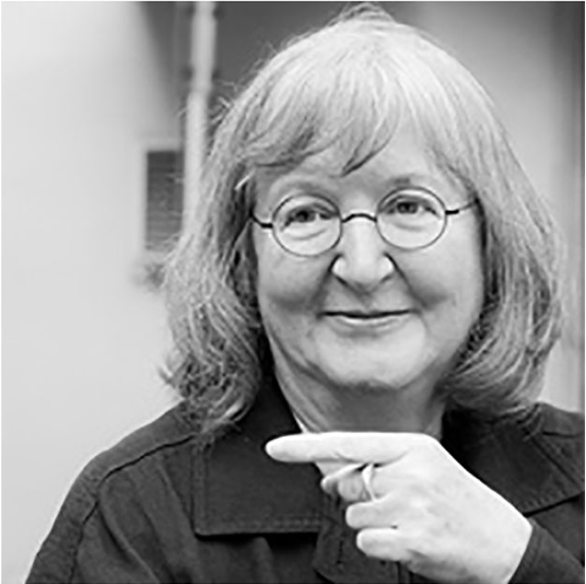 Since 1975 I’ve been affiliated with seven fields (anthropology, history, STS, gender and disability studies, etc) at eleven universities in three countries, doing extended fieldwork in six countries, and visiting universities on five continents. Using ethnographic history, participant observation, and oral history interviews I’ve studied how epistemics, demographics, political economies, and infrastructures co-evolve and rupture daily while distributed knowledge making collaborators in astronomy, history, gender studies, STS, or physics are at work, all while I’ve had some major health issues.